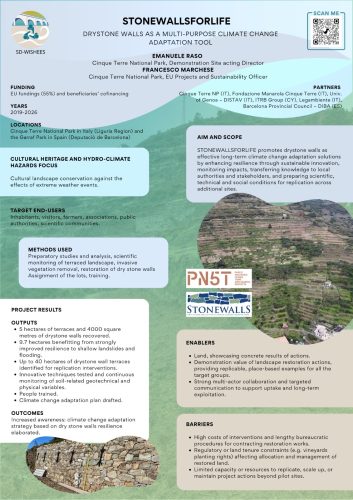
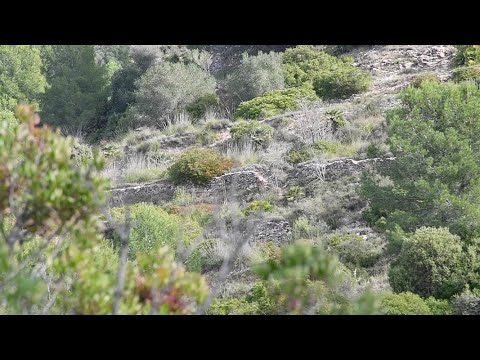
In Catalonia, at the replication site
November 19, 2021
The Cleaning Interventions in the Manarola Amphitheater are underway
December 22, 2021
Stonewalls4life: a best practice highlighted in the Legambiente Report
On the occasion of the 30th anniversary of the Italian law on Protected Areas, Legambiente published a report reviewing these years of environmental protection and showcasing best practices in habitat conservation. Among the highlighted success stories is the Stonewalls4life project.
The report states:
“Dry stone walls in the Cinque Terre benefit climate, tourism, and high-quality viticulture.”
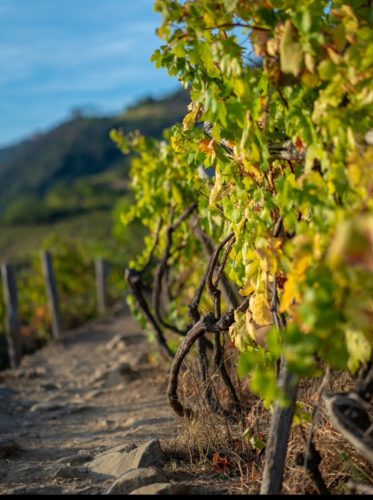
“With its 3,860 hectares, the Cinque Terre National Park is the smallest national park in Italy and also the most densely populated, with around 4,000 inhabitants. Since its establishment in 1999, the Park’s role has been to preserve the delicate balance between terraced agriculture and nature. Dry stone walls contribute positively to the climate, tourism, and high-quality viticulture. While there was once a trend of abandonment of terraced land, the UNESCO recognition in 1997 helped restore awareness of their importance—not only for the local economy, but also for preserving biodiversity and ensuring hydrogeological stability. This was clearly demonstrated during the 2011 flood, when cultivated terraces withstood the impact of extreme rainfall, while abandoned land collapsed onto inhabited areas. Since then, a movement for the recovery of terraced landscapes has emerged, aiming to preserve the original architecture of the landscape—for example, by promoting the use of wooden stakes instead of concrete ones, and by supporting the work of elderly farmers through incentives for younger generations. In addition, in response to changing weather conditions, the Park has established a team of geologists who, after each weather alert, verify the accessibility of trails and assess the need for maintenance interventions. In this stretch of the Ligurian coast, which attracted 3.5 million tourists before the pandemic, the goal is to ensure that mass tourism does not alter the identity of the territory and its natural rhythms.”